When Mount Vesuvius erupted in 79 AD, the city of Pompeii, located at the foot of the mountain, was first covered by a shower of volcanic rock and ash, then buried under a pyroclastic flow. Buried underground and frozen in time by this catastrophe, the city has turned into a priceless treasure of information for researchers. Archaeologists delved too greedily and too deep. The carefully analyzed finds have provided and continue to provide us with incredible insights into Ancient Rome.
I wasn’t expecting much from this book, which is written mostly for the general reader. In fact, I read it partly because I was curious to see what a classicist specializing in ancient texts might have to say on an archaeology-oriented subject.
One of Beard’s greatest achievements is her sharp criticism of various existing views of Pompeii, such as how the traffic flowed, what the buildings were used for. Her critical approach is a lesson for student of antiquity on how to analyze the material. Beard’s proposed solutions to these questions are based on her experience and insight into Rome however, these should not be taken as the definitive truths of well-researched research, but rather as the insights of a competent classicist.
For instance, Beard suggests that the doors of large Pompeian houses were left open so the atrium could be seen, leading her to argue that Roman houses were not places of privacy. It is an intriguing interpretation, but one that requires caution. Anecdotes from antiquity such as Velleius Paterculus (2.14.3) describing a house explicitly designed to prevent people from looking in, or laws forbidding specific high-ranking officials from closing their doors indicate that the Roman desire for domestic privacy was perhaps stronger than Beard implies.
My biggest criticism of Beard is her reluctance to share the stage with other academics. She carefully avoids naming the scholars who put forward a good theory, made a groundbreaking discovery, or shed light on the mysteries of Pompeii. Instead, we frequently encounter vague phrases like, “as one archaeologist discovered,” “a brilliant historian observed,” or “as a philologist brilliantly realized.” I found it rather ungracious of her not to spare a few words to mention these hardworking experts by name. Since there are no footnotes or endnotes in the book, we are left entirely in the dark about who these individuals are. There is a selective bibliography, but it is unreasonable to expect anyone to go on a scholar-hunt to figure out the original authors.
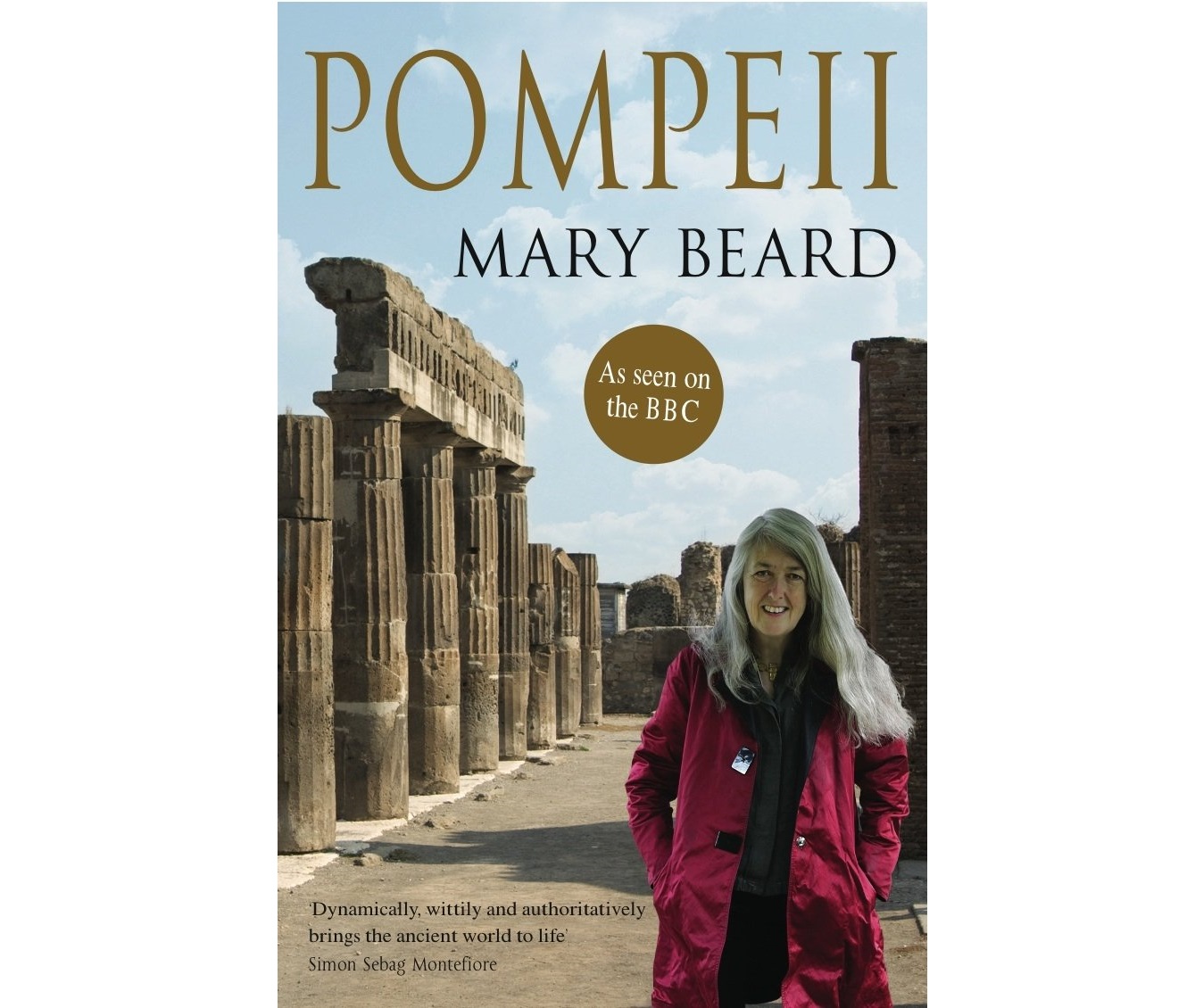
Review of Beard, M. Pompeii.
Leave a Reply